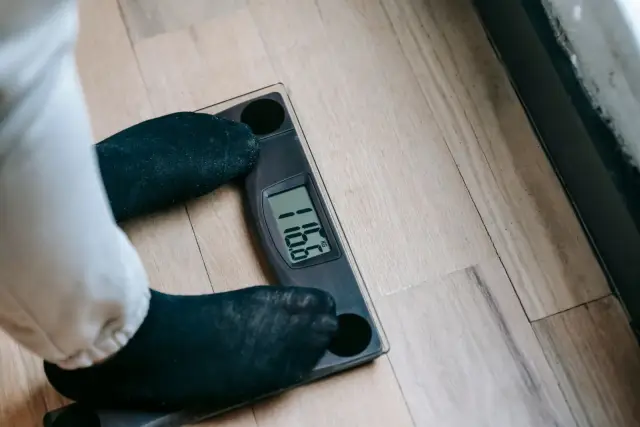

The maintenance phase is the period after you reach your goal weight, when the job shifts from losing to holding. It is a genuinely different phase with different rules: you are defending a result rather than chasing one, and the habits that got you here have to evolve into ones you can run indefinitely. Understanding that shift is most of what separates people who keep their weight off from people who do not.
What the maintenance phase is
Maintenance begins the day you stop trying to lose and start trying to hold. It sounds like the easy part, and in some ways it is, there is no deficit to sustain and no hunger to push through on purpose. But it comes with a hidden difficulty: there is no longer a dramatic goal pulling you forward, and your body is actively working to regain the weight. Treating maintenance as its own phase, with its own plan, is what makes it work.
How it differs from losing
Losing weight is a project with a clear direction and constant feedback. The scale moves, and every drop rewards the effort. Maintenance is a steady state where success looks like nothing happening, which offers none of that reward and takes real discipline to value. Losing runs on a deficit. Maintenance runs on balance and on catching drift early. And the habits change character: what was aggressive and temporary during a diet has to become moderate and permanent. Trying to maintain by dieting forever is the classic mistake, and it is why staying motivated works differently here.
What changes in your body
Maintenance is not just psychological, it is physiological. After weight loss, your body defends a higher weight through a mix of raised hunger, lowered fullness, and a metabolism that runs a little lower than your size alone would predict. This is metabolic adaptation, and it is why the weight does not just stay off by itself. We unpack the biology in why the weight comes back. The takeaway is that maintenance means gently pushing back against a real, ongoing biological pull, which is far more doable once you know it is there.
Losing weight is a project with an end. Maintenance is a steady state you run indefinitely. Same person, different job.
The core strategies
The good news is that the plan is short. Four habits do most of the work:
- Hit a protein floor. A daily minimum of protein keeps you full and protects the muscle that holds your metabolism up. No calorie counting.
- Strength train twice a week. The signal that keeps muscle, covered in preventing muscle loss.
- Track the trend. Weigh often enough to see direction, and act on a real drift while it is small.
- Plan for food noise. Especially after a diet or a GLP-1, have tactics ready for when cravings return.
The NIDDK overview of weight management reinforces that lasting results come from sustainable habits, not temporary effort.
How to stay motivated in maintenance
Motivation fades for everyone in this phase, so the real trick is to rely on it less. Motivation was easy during weight loss because the feedback was constant. Maintenance removes all of that. Success now looks like nothing changing, which offers no reward to chase. After a GLP-1 there is a second layer: appetite may be climbing at the same moment the visible progress stops. Expecting that lets you plan around it instead of being blindsided.
Build systems over willpower. A system is a set of defaults you decide once, then run on autopilot: a protein floor you hit by building meals a certain way, a quick check-in at the same time each day, strength sessions on set days. The NIDDK weight-management guidance makes the same point: routine and environment beat moment-to-moment resolve.
Keep the wins visible. If the only scoreboard is the scale staying the same, maintenance feels like no reward for real effort. So widen what counts. A trend holding steady is a win. Strength going up is a win. Clothes fitting the same a year later is a win. Hitting your protein floor most days is a win.
Shift your identity. As long as you think of yourself as someone on a diet, maintenance feels like a diet that never ends. When you start to think of yourself as someone who eats protein-first and moves regularly, the behaviors stop being effortful choices.
Handle slip-ups without spiraling. What separates people who maintain from people who regain is not perfection, it is the response to a slip. Treat one bad day as a single data point against a two-week trend, and return to your habits the next day. The practical version of this is catching drift early.
Willpower is a battery that drains. A system is a default you set once and coast on.
How long it lasts
Honestly, indefinitely, because maintenance is simply how you live once you have reached your weight. That sounds daunting, but it gets easier, not harder. In the first weeks the habits take attention. Give them a couple of months and they become automatic, the default way you eat and move rather than a plan you follow. Maintenance done well is quiet and boring, and that is exactly the point.
How OffRamp helps
OffRamp is built specifically for this phase. It is not a weight-loss app, it is a maintenance system: your protein floor, muscle-protecting strength sessions, and a weight trend that flags drift early. It is the whole framework behind keeping the weight off, designed for the job that starts the day you reach your goal.